When Bird Nests Become a Ventilation and Fire Safety Issue
When bird nests cause ventilation blockages or fire hazards, local contractors can safely remove nests and ensure your home stays secure.
If bird nests are accumulating in your property's ventilation systems, it can lead to serious concerns beyond just an unwanted presence. Blockages caused by nests can restrict airflow, reducing the efficiency of ventilation and potentially creating fire hazards due to buildup of debris and nesting materials. For property owners in the area, understanding the risks associated with bird nests in vents is essential, especially as these issues can develop unnoticed until they cause more significant problems. Exploring professional bird nest removal services can help maintain proper ventilation, prevent fire risks, and ensure the safety of your property.
Local contractors who specialize in bird nest removal are equipped to handle these situations safely and effectively. They can assess your ventilation systems, carefully remove nests, and help prevent future buildup that could compromise fire safety or airflow. Keeping bird nests out of vents not only supports the proper functioning of your property but also reduces the chance of pests or damage. For those concerned about nests becoming a ventilation or fire safety issue, connecting with experienced service providers can provide practical solutions tailored to your property’s needs.
- Bird nest removal services are needed when bird nests obstruct ventilation systems, potentially causing poor airflow and indoor air quality issues, with local contractors carefully removing nests to restore proper ventilation. Bird nest removal services are essential when nests pose a fire hazard by accumulating dry materials near electrical fixtures, and local pros safely clear nests to reduce fire risks. Bird nest removal services become necessary when nests block attic vents, leading to moisture buildup and mold growth, with local specialists removing nests to prevent structural damage. Bird nest removal services are sought when nests are built in chimneys or vents, risking smoke and carbon monoxide buildup, with local contractors removing nests to ensure safe exhaust flow. Bird nest removal services are appropriate when nests are located on rooftops or eaves, interfering with ventilation and fire safety, with local pros carefully removing nests to maintain building safety standards.
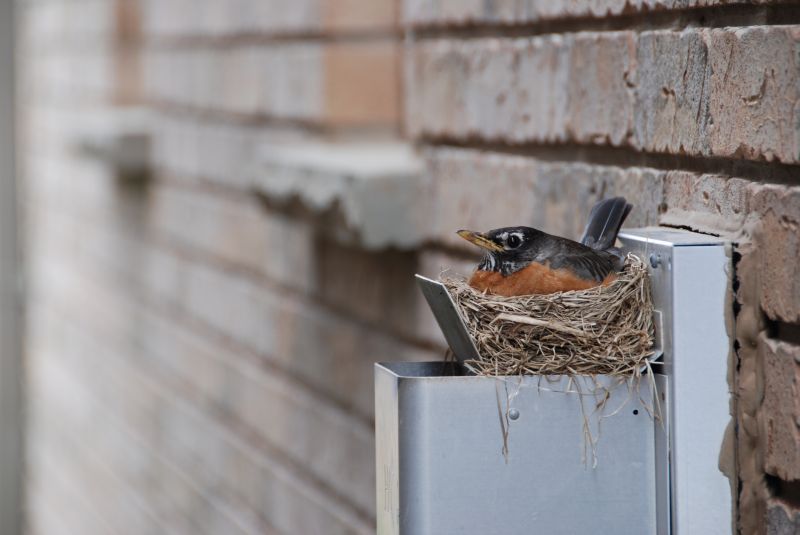
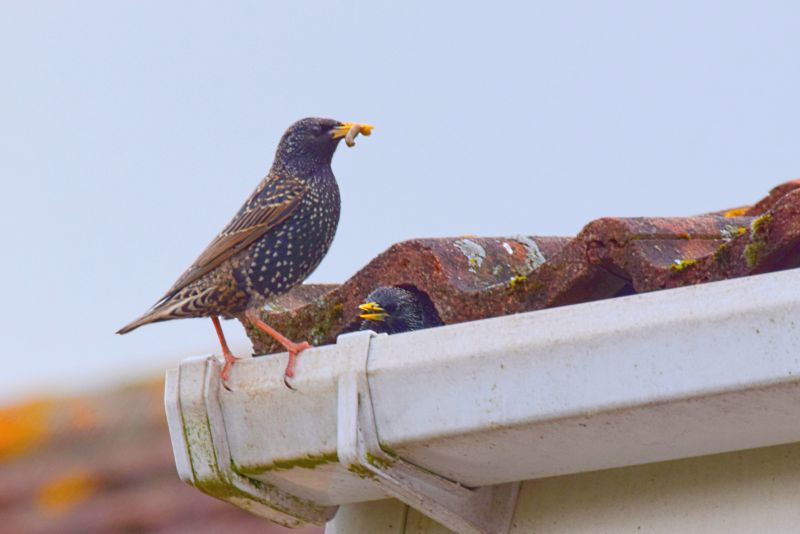

When bird nests become a ventilation and fire safety issue, homeowners often search for this topic because they notice signs of blockage or debris in their attic vents, chimney caps, or exhaust fans. These nests can obstruct airflow, leading to poor ventilation that may cause moisture buildup, mold growth, or increased energy costs. Additionally, when nests are built near or inside ventilation openings, they can create fire hazards by blocking heat or smoke escape routes, especially if the nests are made of flammable materials like twigs, leaves, or paper. Property owners may also be concerned about the presence of pests or the potential for structural damage caused by nesting activity, prompting them to seek professional removal services.
This issue typically relates to property maintenance plans, safety inspections, or renovation projects where proper ventilation is critical. For example, homeowners planning to upgrade or repair attic vents, chimney systems, or exhaust fans should be aware of the risks posed by bird nests. In some cases, nests can cause damage to ventilation equipment or create blockages that reduce system efficiency. Fire safety considerations also come into play, as nests near heat sources or electrical components can increase the risk of fires. Addressing these concerns often involves inspecting ventilation systems, removing nests safely, and installing protective measures to prevent future nesting in critical areas.
Properties most commonly affected by bird nests becoming a ventilation and fire safety issue include residential homes, especially those with accessible attic vents, chimneys, or soffit openings. Multi-family buildings, such as apartment complexes or condos, may also encounter this problem where birds find easy access to roof vents or exterior openings. Additionally, outbuildings like barns, sheds, and garages are vulnerable, especially if they have open or poorly protected ventilation points. The presence of trees, shrubs, or nearby nesting sites can increase the likelihood of bird activity around these structures, making regular inspections and maintenance important to prevent blockages and hazards.
When bird nests pose a ventilation or fire safety concern, local service providers specializing in bird nest removal can help address the problem safely and effectively. These professionals understand how to carefully remove nests without damaging property or disturbing local wildlife, and they can recommend or install protective barriers to prevent future nesting in vulnerable areas. Proper removal and prevention are essential steps in maintaining proper airflow, reducing fire risks, and ensuring compliance with safety standards. Homeowners dealing with these issues can benefit from consulting experienced local contractors who can assess the situation, perform nest removal, and help implement solutions tailored to their property’s specific needs.
Gutter Cleaning Services - professionals who clear debris from gutters help prevent bird nests that can obstruct ventilation systems and pose fire hazards.
Chimney Sweeping - chimney cleaning experts remove nests and blockages that increase the risk of fire and ventilation issues in residential and commercial properties.
Attic Ventilation Installation - contractors specializing in attic ventilation can identify and eliminate bird nests that compromise airflow and safety.
Roof Inspection and Repair - roof specialists assess and address damage caused by bird nests, ensuring vents are clear and fire risks are minimized.
Pest and Bird Exclusion - service providers install barriers to prevent bird nesting in ventilation areas, reducing fire and ventilation safety concerns.
Exhaust Fan Maintenance - technicians who service exhaust fans can remove nests and debris that obstruct airflow and create fire hazards.

When evaluating service providers for bird nest removal related to ventilation and fire safety concerns, it’s important to consider their experience with similar projects. Homeowners should inquire about the types of bird nest removal jobs the contractors have handled and whether they have dealt with situations involving ventilation systems or fire safety hazards. An experienced contractor will understand the complexities involved in safely removing nests without damaging existing structures or creating further safety issues. This background can help ensure the chosen provider is familiar with the nuances of the work and can handle the specific challenges that may arise when bird nests become a ventilation and fire safety issue.
Clear written expectations are essential when comparing local contractors for bird nest removal services. Homeowners should seek detailed information about the scope of work, including how nests will be removed, what precautions will be taken to protect ventilation components, and how cleanup will be handled. Having these details in writing helps prevent misunderstandings and provides a basis for assessing whether a contractor’s approach aligns with safety and efficiency standards. Well-defined expectations also make it easier to evaluate the professionalism of each service provider and ensure that all aspects of the job are addressed thoroughly.
Reputable references and good communication are key factors when choosing a local contractor for bird nest removal. Homeowners can ask for references from previous clients who had similar projects, particularly those involving ventilation or fire safety concerns. This feedback can provide insight into the contractor’s reliability, quality of work, and ability to manage complex situations. Additionally, effective communication-such as prompt responses to questions and clear explanations of procedures-helps ensure that homeowners feel informed and confident throughout the process. Selecting a service provider who demonstrates transparency and professionalism can contribute to a smoother, more successful removal experience.
Property owners often search for when bird nests become a ventilation and fire safety issue when they are planning practical projects around their homes and businesses. Local pros provide Bird Nest Removal services for everyday jobs and straightforward project options.
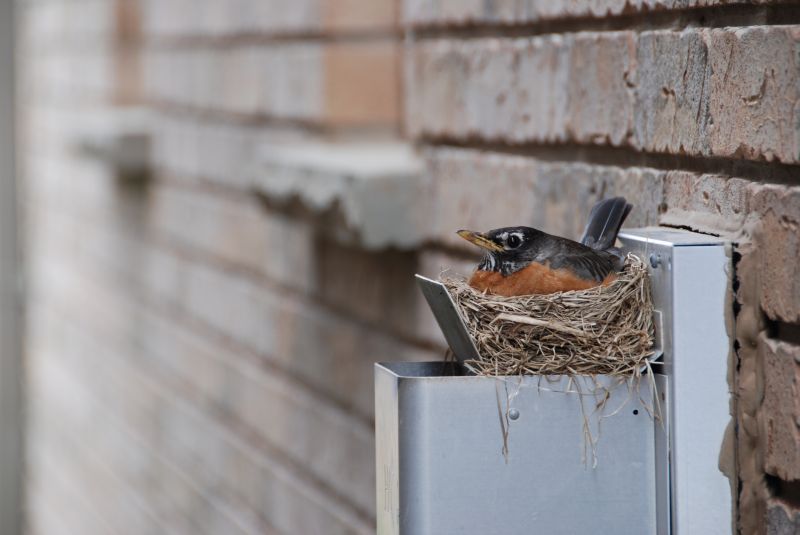
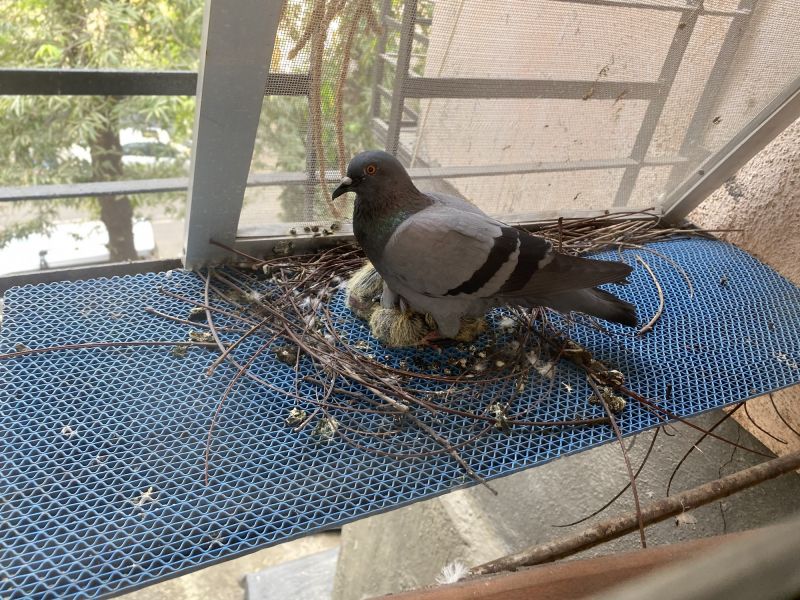
Bird nests located near ventilation openings can pose significant safety concerns for property owners. When bird nests obstruct vents, they can impair proper airflow, leading to reduced ventilation efficiency and potential indoor air quality issues. Additionally, nests and accumulated debris may increase the risk of fire hazards, especially if nests come into contact with heat sources or electrical components. Property owners in the area who notice unusual blockages or signs of nesting activity should consider consulting local contractors experienced in bird nest removal to address these concerns safely and effectively.
In many everyday situations, bird nests can unexpectedly appear in hard-to-reach places like attic vents, chimney caps, or roof vents. These nests not only hinder ventilation but can also attract pests or lead to structural damage over time. Engaging with local service providers who specialize in bird nest removal offers a practical solution for property owners seeking to maintain safe and functional ventilation systems. These professionals can assess the situation, safely remove nests, and help prevent future issues related to bird activity and fire safety risks.
Why are bird nests a concern for ventilation systems? Bird nests can block vents and exhaust openings, reducing airflow and potentially leading to poor indoor air quality or system malfunctions. Local contractors can safely remove nests to restore proper ventilation.
How can bird nests become a fire safety risk? Bird nests built in or near electrical fixtures or vents may increase the risk of fire due to nesting materials coming into contact with heat sources. Local pros can assess and remove nests to mitigate this hazard.
When should bird nests be removed to prevent safety issues? Nests should be removed when they obstruct ventilation pathways or are located near electrical components, especially if they show signs of activity. Service providers can perform safe removal to address these concerns.
Are there specific signs indicating bird nests pose a safety threat? Signs include blocked vents, debris buildup, or visible nests near electrical fixtures. Local contractors can evaluate the situation and handle removal to ensure safety and proper ventilation.
What role do local service providers play in addressing bird nest-related ventilation and fire risks? They assess the situation, safely remove nests, and help prevent ventilation blockages and fire hazards caused by bird nests, ensuring safety and system functionality.
Identify nesting sites early - property owners can regularly inspect vents and eaves to spot bird nests before they cause ventilation or fire hazards, enabling timely removal by local contractors.
Schedule seasonal nest removals - planning bird nest removal services during migration seasons helps prevent buildup that could obstruct vents or create fire risks.
Maintain proper vent covers - installing and inspecting vent covers can prevent birds from building nests inside ventilation openings, reducing safety issues and making future removals easier for local pros.
Educate on nesting hazards - understanding how bird nests impact ventilation and fire safety encourages property owners to seek professional removal services promptly when nests are detected.
If you are thinking about when bird nests become a ventilation and fire safety issue for a property, this guide is meant to help you understand this topic, the typical project types, and how different options might fit your plans.
When you are ready, you can use the quote form on this page to share a few details about your project. From there, local pros can review the basics and follow up with options that match what you have in mind.