Humane Bird and Bat Deterrent Methods for Large Buildings
People searching for humane bird and bat deterrent methods for large buildings aim to protect property while safely discouraging wildlife, and local service providers can help implement effective, humane solutions.
If you're a property owner facing challenges with birds or bats roosting on large buildings, you're in the right place. Understanding humane bird and bat deterrent methods for large buildings can help protect your property while ensuring the safety and well-being of the animals. These methods are often sought after by those who want effective solutions that prevent damage, reduce noise, and minimize health risks without harming the creatures. Exploring options in this area can lead to long-term benefits for maintaining a clean, safe, and animal-friendly environment on your property.
Local service providers specializing in humane bird and bat deterrent methods for large buildings offer tailored solutions designed to address common concerns such as pest control, property preservation, and compliance with wildlife regulations. Whether dealing with persistent roosting sites or implementing preventative strategies, these contractors can help identify the most suitable humane approaches for your specific situation. Keep reading to discover practical insights and learn how connecting with experienced local experts can make a difference in managing bird and bat activity humanely and effectively.
- Humane bird and bat deterrent methods for large buildings are often needed when birds or bats are roosting in hard-to-reach areas, and local contractors use humane exclusion techniques to prevent access. Humane bird and bat deterrent methods for large buildings may be required when pests are causing damage or sanitation issues, with service providers implementing humane barriers and deterrents. Humane bird and bat deterrent methods for large buildings are sought after when nuisance animals are nesting on rooftops or ledges, and local pros apply humane eviction and prevention strategies. Humane bird and bat deterrent methods for large buildings are necessary when wildlife is present in building eaves or facades, with contractors using humane deterrent devices and habitat modification. Humane bird and bat deterrent methods for large buildings are needed when pest activity impacts building operations, and local service providers employ humane, non-lethal methods to address the issue.
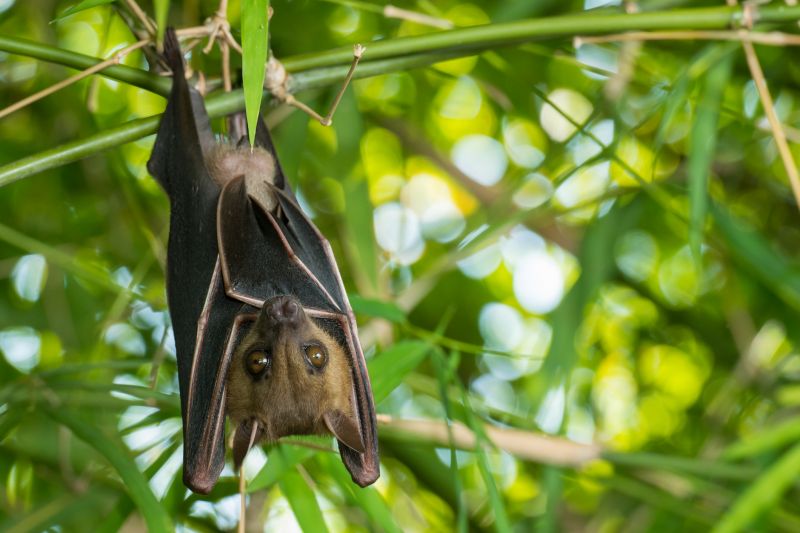
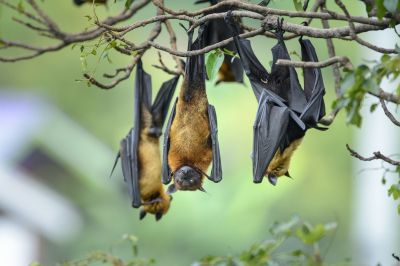

When searching for humane bird and bat deterrent methods for large buildings, people are generally looking for ways to prevent birds and bats from roosting, nesting, or causing damage on commercial or institutional structures without harming the animals. This topic often comes up when property owners or managers notice large flocks or colonies gathering on rooftops, ledges, or in building eaves, leading to issues like droppings, clogged vents, or structural wear. The goal is to find effective solutions that discourage wildlife from settling in these areas while ensuring the animals are safely and humanely kept away. Many individuals are interested in methods that are both environmentally responsible and compliant with local regulations, which is why humane deterrent techniques are a common focus.
These concerns typically relate to property management plans that aim to prevent damage and reduce health hazards associated with bird and bat populations. For large buildings, especially commercial complexes, warehouses, or public facilities, controlling wildlife presence is a key part of maintaining a clean and safe environment. Problems often involve droppings that can corrode building materials or create slip hazards, as well as the potential for disease transmission. Property owners may also seek long-term deterrent strategies to avoid ongoing cleanup costs and repeated infestations. Humane bird and bat deterrent methods are seen as a sustainable approach to managing these issues without resorting to harmful exclusion or lethal control measures.
The types of properties that often come up in discussions about humane deterrent methods include office towers, shopping centers, manufacturing plants, hospitals, and educational campuses. These large structures typically have extensive rooflines, ledges, and other features that attract birds and bats. Industrial facilities may also experience challenges with bats nesting in dark, sheltered areas. The commonality among these properties is their size and complexity, which require specialized approaches to effectively discourage wildlife while minimizing disruption. Local service providers who specialize in humane deterrent methods understand how to adapt solutions to different building types and sizes, ensuring that the chosen techniques are both effective and compliant with regulations.
For property owners considering humane bird and bat deterrent methods, working with experienced local contractors is essential. These professionals can assess the specific needs of each building, identifying the areas most prone to wildlife activity and recommending appropriate strategies. Typical solutions include installing bird spikes, netting, or visual deterrents, as well as bat exclusion devices that allow animals to leave but prevent re-entry. The goal is to create a physical or behavioral barrier that encourages birds and bats to move away naturally, without causing harm. By connecting with local pros who specialize in humane deterrent methods, property managers can implement effective, long-lasting solutions that protect their buildings and support ethical wildlife management.
Bird exclusion projects - local contractors specialize in installing physical barriers and netting to prevent birds from roosting on large building exteriors, aligning with humane bird deterrent methods.
Bat habitat modification - service providers often perform habitat assessments and implement humane exclusion techniques to safely remove bats from large structures.
Building maintenance and pest proofing - local pros offer services to seal entry points and apply deterrents that keep birds and bats away without harm, supporting humane methods.
Wildlife control consulting - experts provide planning and consultation for humane bird and bat deterrent strategies tailored to large building needs.
Structural repairs for wildlife exclusion - contractors perform repairs that prevent wildlife entry, ensuring humane removal and deterrence on large building facades.
Bird and bat habitat assessment - professionals conduct evaluations to identify potential roosting sites and recommend humane deterrent solutions for large structures.
When evaluating service providers for humane bird and bat deterrent methods for large buildings, experience with similar projects can be a key factor. Contractors who have successfully handled large-scale bird and bat exclusion efforts often understand the unique challenges posed by different building types and environments. Asking about their past work or requesting examples of projects comparable in scope can provide insight into their familiarity with humane methods and their ability to implement effective solutions that respect wildlife.
Clear written expectations are essential to ensure that the scope of work, methods used, and desired outcomes are well understood before any work begins. Reputable local contractors typically provide detailed proposals or contracts outlining the specific humane deterrent techniques they plan to use, along with timelines and responsibilities. This transparency helps prevent misunderstandings and ensures that both parties are aligned on the approach, making it easier to evaluate whether the service provider’s plan aligns with the homeowner’s goals.
Effective communication and reputable references are important indicators of a reliable service provider. Contractors who communicate clearly and promptly can help homeowners feel confident in their choice and facilitate smooth project execution. Additionally, seeking references or reviews from previous clients can offer valuable insights into the contractor’s professionalism, reliability, and ability to deliver humane bird and bat deterrent solutions that meet expectations. Combining these factors can help homeowners select a local contractor capable of providing humane, effective, and well-managed deterrent methods for large buildings.
Property owners often search for humane bird and bat deterrent methods for large buildings when they are planning practical projects around their homes and businesses. Local pros provide Humane Bird and Bat Deterrent Methods services for everyday jobs and straightforward project options.


Many property owners in the area are discovering the importance of humane bird and bat deterrent methods for large buildings to prevent unwanted wildlife from nesting or roosting. Common situations include noticing bird droppings accumulating on rooftops or ledges, or bats entering building openings, which can lead to property damage or health concerns. These everyday scenarios often prompt building managers or owners to seek out local service providers who specialize in humane solutions that effectively discourage wildlife without causing harm.
Choosing to work with local contractors experienced in humane bird and bat deterrent methods can provide practical, non-invasive options tailored to the unique structure of large buildings. These professionals can assess specific problem areas and recommend methods such as bird spikes, netting, or exclusion devices designed to gently deter wildlife. Connecting with local service providers ensures that property owners receive expert advice and humane solutions to keep their buildings wildlife-free while respecting animal welfare.
What are humane bird and bat deterrent methods for large buildings? Humane bird and bat deterrent methods for large buildings include techniques such as bird netting, visual deterrents, and acoustic devices that prevent roosting and nesting without causing harm.
How do local service providers implement humane bird and bat deterrent methods? Local contractors assess building structures and apply humane deterrent solutions like bird spikes, exclusion barriers, and habitat modification to discourage birds and bats humanely.
Are humane bird and bat deterrent methods effective on large buildings? Yes, when properly installed and maintained by experienced service providers, humane deterrent methods can effectively reduce bird and bat presence on large structures.
Can humane deterrent methods be customized for different building types? Absolutely, local service providers tailor humane bird and bat deterrent methods to suit the specific design and environment of each large building.
What should be considered when choosing humane bird and bat deterrent methods for large buildings? Factors such as building layout, bird and bat species, and safety considerations are important and can be evaluated by local contractors to select the most suitable humane deterrent solutions.
Bird and Bat Deterrent Devices - Installing humane deterrent devices such as spikes or netting can prevent birds and bats from roosting on building surfaces. Property owners can work with local contractors to select and install these devices effectively.
Visual Deterrent Solutions - Using visual scare tactics like reflective surfaces or predator decoys can discourage birds and bats from settling on large building exteriors. Local service providers can help set up these humane deterrent options properly.
Habitat Modification Strategies - Removing or modifying potential roosting sites, such as ledges or open cavities, can reduce attractants for birds and bats. Professionals can assist with safe and humane habitat adjustments to protect building occupants.
Ongoing Monitoring and Maintenance - Regular inspection and maintenance of deterrent systems ensure continued effectiveness and humane treatment. Local contractors can provide ongoing support to keep large buildings bird- and bat-free humanely.
If you are thinking about humane bird and bat deterrent methods for large buildings for a property, this guide is meant to help you understand this topic, the typical project types, and how different options might fit your plans.
When you are ready, you can use the quote form on this page to share a few details about your project. From there, local pros can review the basics and follow up with options that match what you have in mind.